

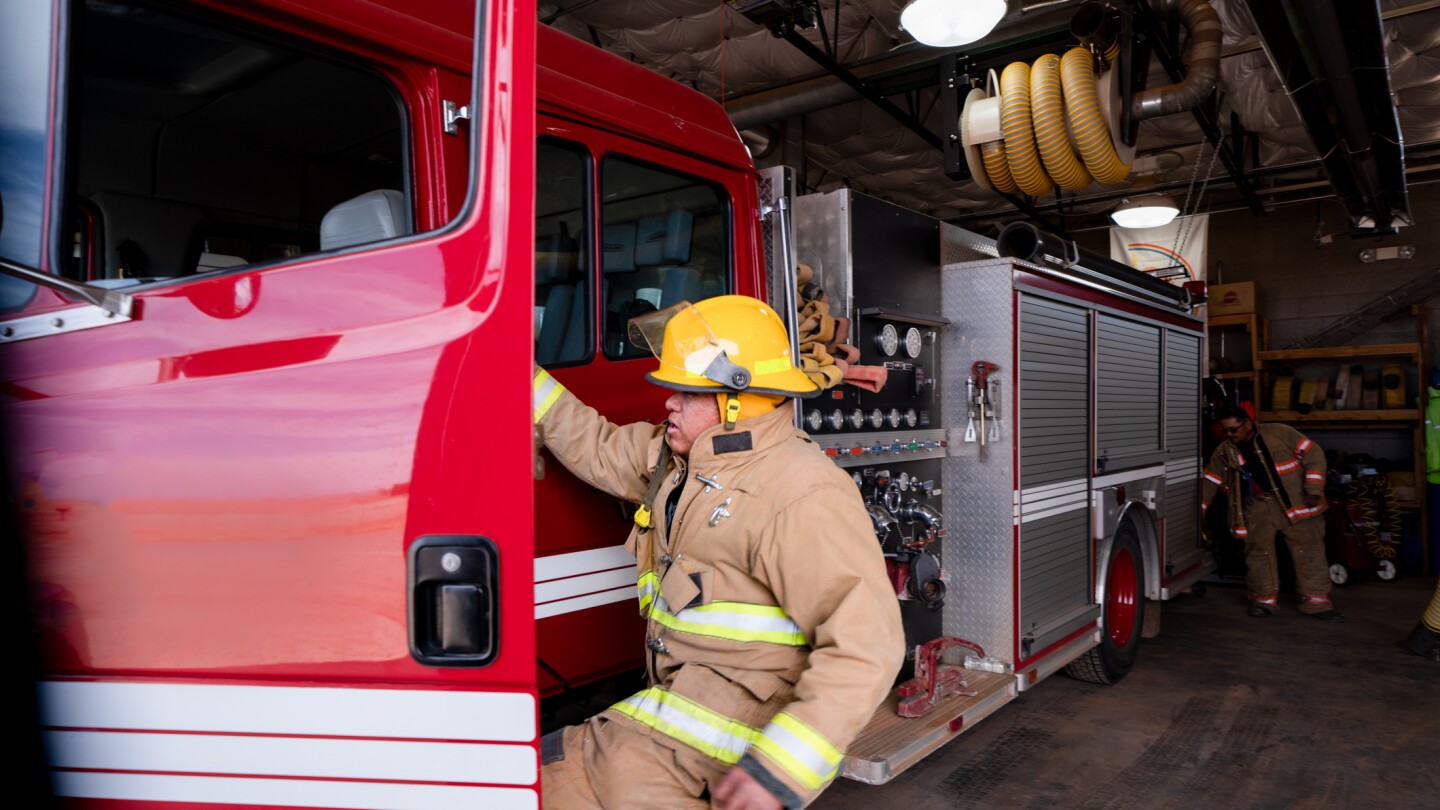
In emergency services, every second counts. Whether responding to a structure fire, medical emergency, or rescue operation, rapid and coordinated action can make the difference between life and death. A fire station alerting system plays a critical role in ensuring firefighters and emergency personnel are notified instantly, clearly, and reliably. These systems are designed to streamline communication, reduce response times, and improve operational efficiency across fire departments. 🚒
What Is a Fire Station Alerting System?
A fire station alerting system is an integrated communication solution that automatically notifies firefighters of incoming emergency calls. It connects directly with dispatch centers and provides real-time alerts within the fire station through audio, visual, and digital signals.
Unlike traditional alarm bells or manual paging, modern alerting systems use advanced technologies to deliver precise information about the incident. This includes the type of emergency, location, and any specific instructions required for response.
By automating the alert process, these systems eliminate delays and ensure that all personnel receive consistent and accurate information simultaneously.
Key Components of an Alerting System
A comprehensive fire station alerting system consists of several interconnected components that work together seamlessly:
1. Dispatch Integration
The system connects with Computer-Aided Dispatch (CAD) systems to receive emergency call data instantly. This integration allows alerts to be triggered automatically as soon as a call is received.
2. Audio Alerts
Clear voice announcements provide details about the incident, such as location, type of emergency, and assigned units. High-quality audio ensures messages are heard even in noisy environments.
3. Visual Displays
LED screens or monitors display key information, including maps, call details, and response instructions. Visual cues complement audio alerts and help reinforce critical information.
4. Station Lighting Control
Many systems include automated lighting that activates when an alert is triggered. For example, lights may gradually brighten in sleeping quarters to wake firefighters without causing disorientation.
5. Mobile and Digital Notifications
Alerts can also be sent to mobile devices, tablets, or wearable technology, ensuring firefighters are informed even if they are not in the station.
The Importance of Rapid Response
Speed is essential in emergency response. Studies have shown that even small delays in dispatch or response time can significantly impact outcomes, particularly in fire incidents and medical emergencies.
Fire station alerting systems help reduce response times by:
-
Eliminating manual call handling delays
-
Delivering immediate, automated alerts
-
Providing clear and actionable information
-
Ensuring all personnel are notified simultaneously
By streamlining communication, firefighters can mobilize faster and arrive at the scene more quickly, increasing the chances of saving lives and minimizing damage.
Improving Safety and Reducing Stress
Beyond speed, fire station alerting systems also improve safety for emergency personnel. Traditional alarm systems, such as loud bells or sirens, can startle firefighters—especially during nighttime hours—leading to confusion or slower reaction times.
Modern systems use controlled audio tones and voice announcements, along with gradual lighting, to create a more organized and less stressful alerting process. This approach helps firefighters remain calm, focused, and ready to respond effectively.
Additionally, automated systems reduce the risk of miscommunication or missed alerts, ensuring that no critical information is overlooked.
Customization and Scalability
Every fire department has unique operational needs, and modern alerting systems are designed to be highly customizable. Departments can configure alerts based on factors such as:
-
Type of emergency
-
Assigned response units
-
Time of day or night
-
Specific station zones
For example, only the relevant crew members may be alerted for certain calls, minimizing unnecessary disruption for others.
Scalability is another key advantage. Whether for a single fire station or a large network of stations across a region, alerting systems can be expanded and adapted as needs evolve.
Integration with Smart Technologies
Today’s fire station alerting systems often integrate with other smart technologies to enhance functionality. These may include:
-
GPS tracking for vehicle dispatch
-
Automated door controls that open when units are deployed
-
Traffic signal preemption systems to clear routes for emergency vehicles
-
Incident reporting and data analytics tools
These integrations create a more connected and efficient emergency response ecosystem, improving coordination from dispatch to arrival on the scene.
Reliability and Redundancy
In emergency situations, system reliability is non-negotiable. Fire station alerting systems are designed with redundancy features to ensure continuous operation even during power outages or network failures.
Backup power supplies, redundant communication channels, and fail-safe mechanisms help guarantee that alerts are delivered without interruption. This level of reliability is essential for maintaining trust in the system and ensuring consistent performance.
Benefits for Fire Departments
Implementing a fire station alerting system offers numerous benefits, including:
-
Faster and more efficient response times
-
Improved communication and coordination
-
Enhanced safety for firefighters
-
Reduced stress during emergency alerts
-
Better resource allocation
-
Increased operational transparency
These advantages contribute to more effective emergency services and improved outcomes for communities.
The Future of Fire Station Alerting
As technology continues to evolve, fire station alerting systems are becoming more advanced and intelligent. Innovations such as artificial intelligence, predictive analytics, and Internet of Things (IoT) integration are shaping the future of emergency response.
For example, AI-powered systems may analyze historical data to predict call patterns and optimize resource deployment. IoT devices can provide real-time updates from the field, enhancing situational awareness for responding units.
Cloud-based platforms are also enabling remote monitoring and centralized control, making it easier for departments to manage multiple stations efficiently.
Conclusion
A fire station alerting system is a vital component of modern emergency response infrastructure. By delivering fast, accurate, and reliable alerts, it ensures that firefighters can respond quickly and effectively to critical situations.
From improving response times to enhancing safety and communication, these systems play a key role in protecting both emergency personnel and the communities they serve. As technology continues to advance, fire station alerting systems will remain at the forefront of innovation, helping fire departments operate more efficiently and save more lives.