


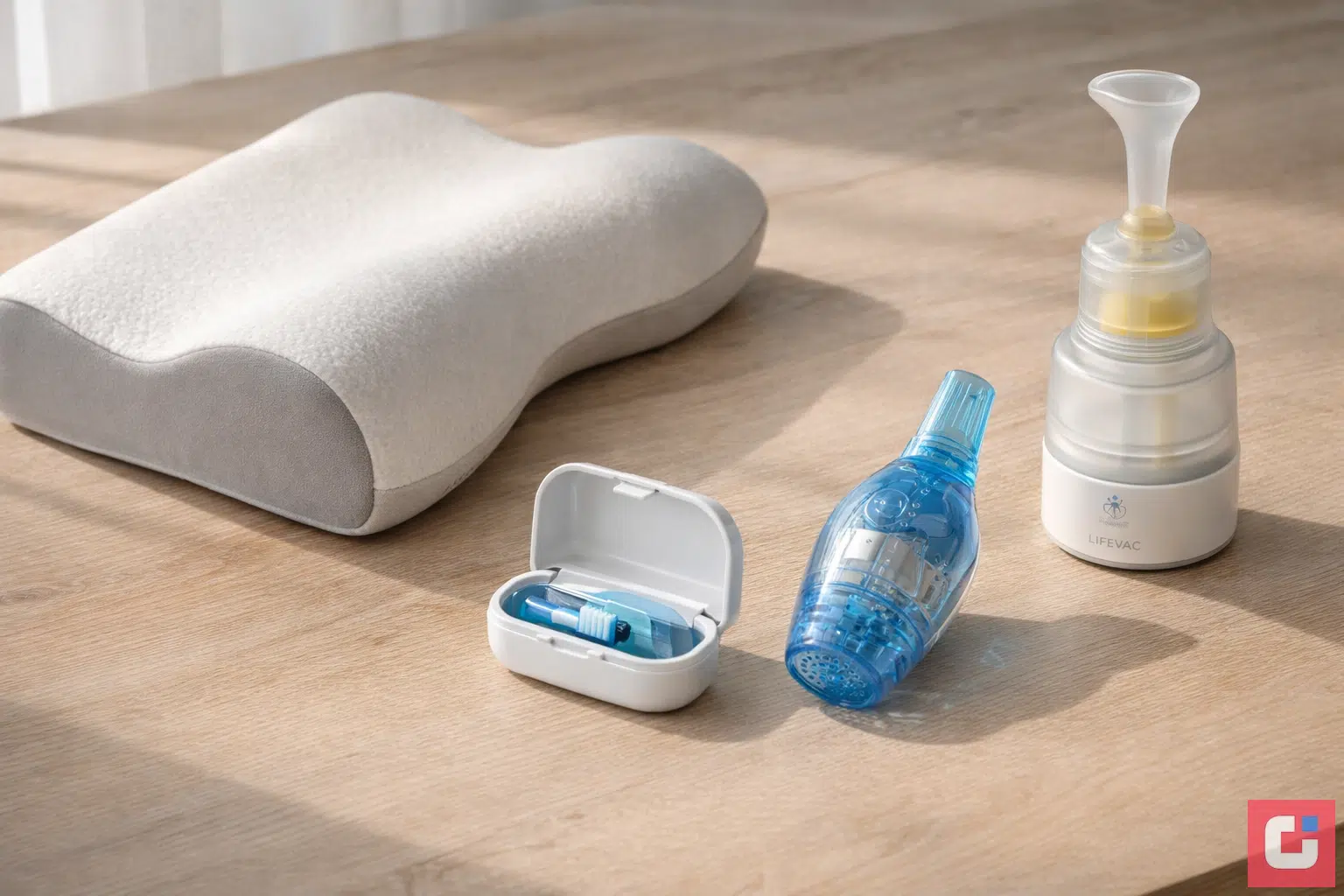
Most people think wellness monitoring means wearing a smartwatch all day, checking charts, and watching every number change. That works for some people, but it is not the only way to keep a closer eye on your health. A growing number of people now prefer practical wellness-monitoring devices that support a single clear habit without turning daily life into a data project.
The best devices are not always the most complicated. A breathing tool, sleep support device, anti-snoring aid, hygiene gadget, or home safety product can all help you notice patterns in your body and routine. These tools may not give you a dashboard full of graphs, but they still help you monitor how you feel, sleep, breathe, recover, and look after yourself.
For a broader look at simple health gadgets, this guide to wellness monitoring devices covers everyday options that prioritize practical use over constant screen checking.
Why Simple Wellness Devices Still Matter
A device does not need to track every heartbeat to be useful. In many cases, the real value comes from helping you build awareness. You may notice that your breathing feels easier after using a respiratory trainer. You may realize that your sleep posture improves with a better pillow. You may notice that snoring decreases when you use a mechanical anti-snoring device.
This kind of monitoring is based on real-life feedback. You are not staring at numbers. You are paying attention to changes in comfort, energy, sleep quality, and routine.
That makes these devices easier to stick with. There is no app to update, no subscription to renew, and no daily charging panic. You use the tool when needed, then move on with your day.
The Main Types of Wellness Monitoring Devices
Breathing support devices are useful for people who want to become more aware of airflow, breath control, and lung effort. They are often mechanical, simple to clean, and easy to fit into a morning or evening routine.
Sleep-related devices are another strong category. Pillows, snoring aids, and sleep-position tools do not monitor you in the digital sense, but they help you observe whether you wake up stiff, rested, blocked up, or disturbed. That feedback is often more useful than a vague sleep score.
Hygiene devices also fit into this space. Toothbrush sterilizers, air purifiers, and bathroom hygiene tools can support cleaner routines without needing much thought. They work best when they remove friction from habits you already want to maintain.
Emergency wellness devices are different. You may rarely use them, but they can add peace of mind at home. Choking rescue devices, first-aid tools, and medication organizers are not glamorous, but they can be more useful than trendier gadgets.
What to Look For Before Buying
The best wellness monitoring device should solve one problem clearly. Avoid gadgets that claim to fix everything. If a product claims to help with sleep, breathing, posture, stress, energy, and recovery all at once, be careful. Broad claims often hide weak performance.
Also, check how easy it is to clean, store, and use. A device that takes ten steps to set up will probably end up in a drawer. A device that works in seconds is far more likely to become part of your routine.
Think about whether you want data or awareness. A smartwatch gives you numbers. A simple wellness device gives you physical feedback. Neither approach is automatically better. The right choice depends on whether you want tracking, habit support, or both.
Rounding Up the Most Useful Devices For You
Wellness monitoring devices are most useful when they make daily health easier to notice and manage. You do not need to chase every metric. Sometimes, a simple device that helps you breathe better, sleep more comfortably, reduce snoring, or improve your hygiene offers more practical value than another app on your phone.
The smart move is to choose devices that fit your real habits, not the version of yourself you imagine when reading product pages.