


Cars that steer, brake, and adjust their speed without constant driver input have made autonomy feel less like science fiction. Marketing is moving toward a similar shift: software can now select audiences, schedule campaigns, adjust bids, and recommend content with limited day-to-day intervention. But the question of marketing on autopilot is not simply whether technology can do more. It is how much decision-making businesses should hand over, and where human judgment remains essential.
What marketing automation can do today
Many familiar marketing tools already automate routine work. Email platforms can send a welcome series after a customer signs up, while online ad systems can shift spending toward campaigns that are meeting a chosen performance goal. Customer relationship management software can sort leads, remind sales teams to follow up, and trigger messages based on activity. Newer AI features can also help draft copy, summarize customer feedback, and suggest audience segments.
These capabilities can save time, especially for small teams that cannot manually manage every channel. A carefully configured campaign can respond to customer actions more quickly than a person working through a daily task list. Automation also makes it easier to run repeated processes consistently, from sending order updates to testing different subject lines.
Autopilot still needs a destination
Automated systems work toward goals that people define. A platform may optimize for clicks, leads, or sales, but it cannot decide on its own which outcome best supports a company’s long-term health. If a campaign is rewarded only for low-cost leads, for example, it may produce a large list of people who are unlikely to become customers. The technology can meet its target while the business misses its larger objective.
That is why clear strategy matters before switching on automation. Teams should decide what success means, which customers they want to reach, and what limits the system must follow. Budgets, frequency caps, privacy requirements, and brand standards are not minor settings; they help keep automated activity aligned with the business. The more consequential the decision, the more important it is to know who is accountable for it.
Data quality and customer trust
Automation depends on data, and poor inputs can produce poor decisions at scale. Outdated contact details, duplicate records, or inaccurate purchase histories can send the wrong message to the wrong person. Before connecting multiple tools, businesses should review what information they collect, how it is stored, and whether it is being used in ways customers would reasonably expect.
Privacy is also part of the customer experience. A message that appears startlingly personal may feel intrusive even if it was generated from available data. Clear consent practices and a straightforward way to manage communications help preserve trust. Companies should test how automated journeys behave from the customer’s perspective, not just check whether the software successfully triggered each step.
Keep people in the feedback loop
Self-driving vehicles are designed around sensors, rules, and safety responses; marketing systems need their own monitoring. Teams can review campaign performance, check generated content for accuracy and tone, and pause workflows when results fall outside expected ranges. Human review is particularly valuable for sensitive subjects, major brand announcements, unusual customer complaints, and decisions involving fairness or personal information.
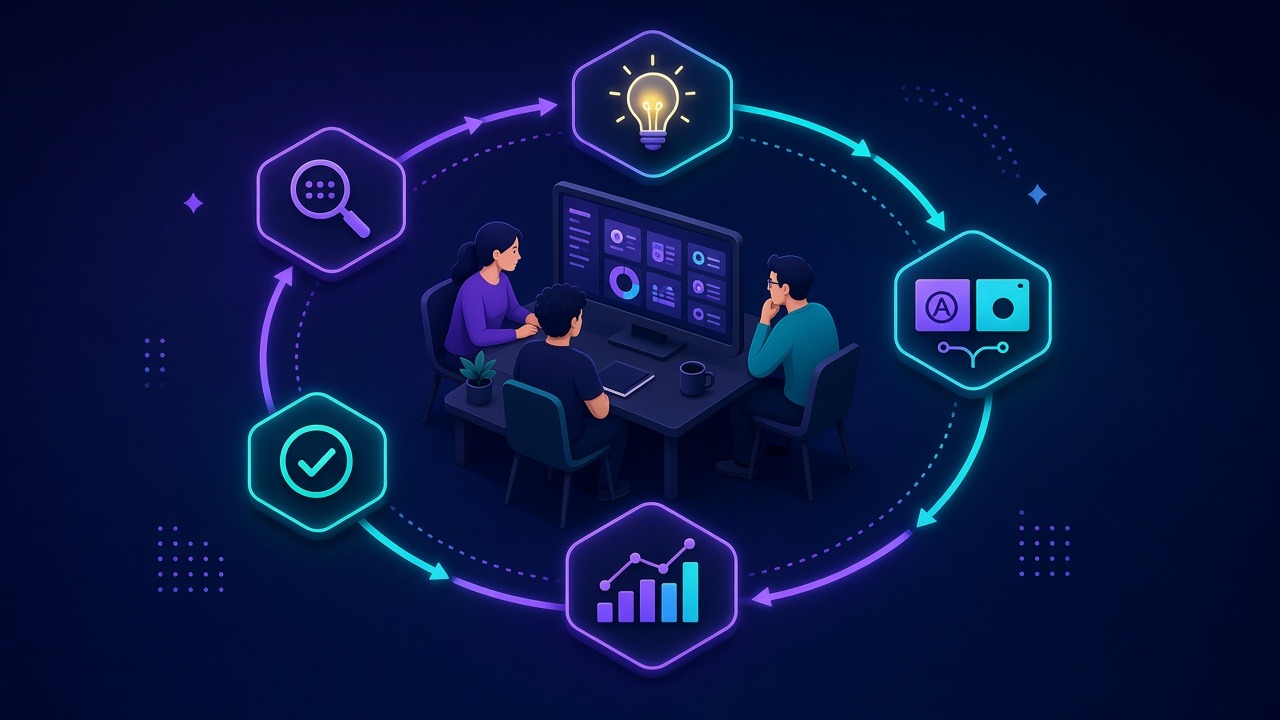
It is useful to treat automation as a managed system rather than a one-time setup. Start with a contained task, such as routing incoming inquiries or sending a basic onboarding sequence. Compare the results with the previous process, look for unintended effects, and make adjustments before expanding. This approach allows a business to learn where automation adds value without handing over every customer interaction at once.
The business case includes the back office
Marketing tools are only one part of a company’s technology stack. Small businesses also have to keep track of campaign expenses, subscriptions, contractor payments, and revenue. Good financial records help owners judge whether an automated campaign is actually profitable, rather than merely busy. A bookkeeper can record transactions and help organize the information needed to understand cash flow and spending. For businesses weighing outside help, Osdire’s guide to bookkeeping costs is one way to start thinking through the task and its budget.
Freelancers can also help fill gaps in a team’s marketing or technical capacity, from setting up analytics to producing campaign assets. A marketplace such as Osdire spans more than 900 categories, so a business can compare different kinds of project support. The key is to define the work clearly and check that any contractor’s access to customer data and company systems is appropriate.
Automation as a co-pilot
Marketing will likely become more automated, but that does not mean effective teams can simply set a campaign and walk away. Software is well suited to repetitive tasks, rapid analysis, and responding to defined signals. People remain responsible for choosing meaningful goals, protecting customer trust, interpreting context, and deciding when a system’s output needs correction.
For businesses, the practical aim is not maximum automation. It is a useful balance: let technology handle predictable work, measure what it changes, and keep informed people responsible for direction. With that approach, marketing systems can reduce friction without putting a brand’s judgment on autopilot.