


Festive clothing can make an ordinary celebration feel more special, but choosing the right outfit sometimes takes longer than expected. For people exploring outfit inspiration and everyday fashion ideas, abestoutfit.com can fit naturally into the wider world of clothing, personal style, and celebration dressing. Festivals bring different expectations, from traditional family gatherings to office celebrations and evening parties. Some people enjoy dressing up in elaborate clothes, while others prefer simple outfits that feel comfortable throughout the day. There is no single style that works for every person or every occasion. The useful approach is understanding the event, checking the weather, and choosing clothing that suits both personal taste and practical needs.
Choosing Outfits For Occasions
The first thing worth considering is the type of celebration you plan to attend. A family religious gathering may call for traditional clothing, while an office party might allow something more contemporary. Wedding celebrations often involve several events, each with different dress expectations and practical requirements. Wearing the same type of outfit everywhere can become inconvenient, particularly when the activities change throughout the day. Before shopping, consider where the event takes place, how long it lasts, and whether you will need to travel between locations. A heavily embroidered outfit might look beautiful for photographs but become uncomfortable during a long outdoor gathering. Lightweight clothing may work better for daytime events, especially when temperatures remain high. Evening celebrations can allow richer fabrics, layered styling, or more decorative accessories. It is also sensible to check whether the host has mentioned a dress code. Choosing clothing that respects the occasion helps you feel prepared without making the process unnecessarily complicated. The best festive outfit usually balances personal preference with the practical demands of the event.
Understanding Fabric And Weather
Fabric can change how an outfit feels much more than its appearance suggests. Cotton, linen blends, lightweight silk, and breathable materials can be useful choices for warmer celebrations. Heavier fabrics may work well during cooler evenings, although indoor venues can become surprisingly warm when many people gather together. Before choosing an outfit, check the expected weather and consider how much time you will spend outdoors. A thick layered outfit may feel manageable inside an air-conditioned hall but uncomfortable during travel or outdoor photographs. Similarly, lightweight clothing might require an additional layer when temperatures drop later in the evening. Fabric care matters because festive clothing often includes delicate embroidery, decorative stitching, or special finishes. Some garments require gentle washing or professional cleaning, which can affect their long-term cost. Check care labels before buying expensive pieces, especially when you expect to wear them repeatedly. Breathability, movement, and maintenance are practical details worth considering alongside colour and design. A beautiful garment becomes a better purchase when it remains comfortable and manageable throughout the celebration.
Selecting Colours That Suit You
Colour choices can influence the overall appearance of festive clothing without requiring complicated styling. Traditional celebrations often feature rich shades such as maroon, emerald green, navy, mustard, and deep purple. Lighter colours, including cream, pastel pink, pale blue, and soft yellow, can also create an elegant appearance. The most suitable shade depends on personal preference, the occasion, lighting conditions, and the colours already present in your wardrobe. Some people prefer bold contrasts, while others feel more comfortable wearing coordinated shades. Both approaches can work when the outfit feels balanced. If you are unsure about combining colours, start with one main shade and introduce a smaller contrasting detail. A neutral outfit can become more festive through a colourful scarf, decorative footwear, or carefully selected jewellery. There is no need to purchase a completely new wardrobe whenever a festival arrives. Reusing existing pieces with different combinations can produce fresh looks without unnecessary spending. When shopping online, remember that product photographs may not show colours exactly as they appear in natural light. Checking customer photographs and product descriptions can help reduce disappointment after delivery.
Finding The Right Outfit Fit
A festive outfit should allow comfortable movement instead of requiring constant adjustment. Clothing that feels tight around the shoulders, waist, or hips may become particularly uncomfortable during meals, dancing, or long family gatherings. Oversized garments can also cause problems when sleeves, hems, or loose fabric interfere with everyday activities. Check the garment measurements rather than relying only on the size printed on its label. Different brands use different sizing systems, so a familiar size may fit differently across stores. When ordering online, compare your measurements with the retailer’s size chart and review the return conditions. If alterations are necessary, leave enough time before the event rather than waiting until the final day. Small changes to sleeve length, waist fitting, or trouser hems can improve how clothing sits on the body. However, alterations should preserve the garment’s intended structure and decorative details. Try the complete outfit before the celebration, including the footwear and accessories you plan to use. Sitting, walking, and raising your arms can reveal problems that remain unnoticed while standing in front of a mirror. Comfort and fit deserve attention before the outfit becomes part of your final celebration plan.
Styling Traditional Clothing Naturally
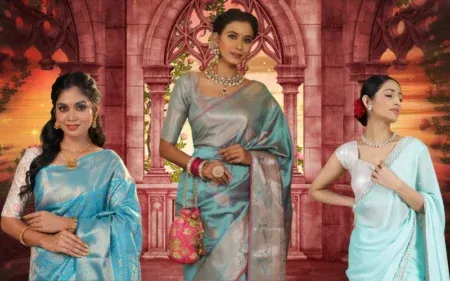
Traditional clothing remains a popular choice for many festivals because it connects personal style with cultural customs. Depending on the occasion, people may choose kurtas, sarees, lehengas, salwar suits, sherwanis, or other regional garments. The right choice depends on personal preference, local traditions, weather, and the nature of the gathering. Traditional clothing does not always need heavy embroidery or elaborate decoration to feel appropriate. A well-fitted kurta with clean trousers and comfortable footwear can look festive without appearing excessive. A simple saree can feel equally special when its colour, draping, and accessories work together. Decorative borders, woven patterns, and traditional jewellery can add character without overwhelming the overall appearance. Consider the activities involved because long events may require secure draping, manageable sleeves, and footwear suitable for standing. People wearing unfamiliar traditional garments may benefit from trying the complete arrangement before the event. This gives them time to adjust pleats, fastenings, or accessories without unnecessary stress. Cultural clothing should also be worn respectfully, particularly when an event includes specific customs or religious expectations. Personal expression and practical comfort can work together rather than competing with each other.
Mixing Modern And Classic Pieces
Combining traditional and contemporary clothing can create useful outfits for celebrations with relaxed dress expectations. A plain kurta may pair well with tailored trousers, while a traditional skirt can work with a simpler modern blouse. Structured jackets, understated shirts, and clean footwear can also change the overall appearance of familiar garments. The main challenge is keeping the combination comfortable and visually balanced. Too many competing patterns, decorative details, and accessories may make the outfit feel unnecessarily busy. Starting with one noticeable feature often makes styling easier. For example, an embroidered jacket can become the main focus when the remaining clothing stays relatively simple. A traditional outfit can also look more contemporary through a different bag, belt, or pair of shoes. Before buying something new, examine the clothes already available in your wardrobe. You may discover combinations that work well without additional spending. This approach also makes it easier to reuse special garments for several events. Modern styling does not require abandoning traditional clothing, and classic pieces do not need to look outdated. Thoughtful combinations can reflect individual taste while remaining suitable for the celebration.
Choosing Comfortable Festive Footwear
Footwear can affect the entire celebration, especially when the event involves standing, walking, or dancing for several hours. High heels may complement certain outfits, but uncomfortable shoes can quickly become distracting. Flat sandals, traditional juttis, loafers, and supportive dress shoes offer different options depending on the garment and venue. Fit should come before appearance because shoes that rub against the skin can cause blisters. Try new footwear before the celebration instead of wearing it for the first time during a long event. Walk around indoors and check whether the shoes remain secure when changing direction. Consider the ground surface as well because narrow heels may be difficult to manage on grass or uneven paving. Outdoor celebrations may require footwear that provides better stability and is easier to clean. Shoe colour should complement the outfit without requiring an exact match in every detail. Neutral shades can work across several combinations, making them useful for people who attend multiple celebrations. Keep a simple backup option available when you expect to spend many hours away from home. Comfortable footwear allows you to enjoy the event instead of concentrating on sore feet throughout the evening.
Using Accessories Without Overdoing
Accessories can make festive clothing feel complete, but adding more items does not always improve the final result. Jewellery, watches, scarves, handbags, belts, and hair accessories should work with the outfit rather than compete against each other. A heavily decorated garment may need only a few simple additions. A plain outfit can provide more room for statement earrings, a colourful necklace, or an embroidered bag. Consider the practical side of accessories before leaving home. Long earrings may catch on delicate fabrics, while heavy necklaces can become uncomfortable during extended celebrations. Bags should have enough room for essential items without being difficult to carry. If you expect to move around frequently, a secure strap or compact design may be more convenient than a large handbag. Accessories should also match the event’s atmosphere and any relevant dress expectations. Mixing metal finishes can work when the overall combination feels intentional, so matching every small detail is not always necessary. Check clasps, hooks, and fastenings before wearing older jewellery. A little preparation can prevent avoidable problems and help accessories remain comfortable throughout the event.
Planning A Sensible Clothing Budget
Festive shopping can become expensive when several events happen close together. Clothing, footwear, jewellery, alterations, delivery charges, and last-minute purchases can quickly increase the final cost. Setting a budget before browsing helps prevent spending decisions based only on excitement. Begin by checking what you already own and identifying the pieces that genuinely need replacing. Some garments can be restyled with different accessories or combined with clothing purchased for earlier occasions. When buying something new, consider how often you expect to wear it after the festival. A versatile garment may provide better long-term value than an elaborate outfit suitable for only one specific event. Price should not be the only deciding factor because poor stitching or uncomfortable fabric may create additional costs later. Check construction quality, return conditions, and care requirements before purchasing. Sales can provide savings, but buying unnecessary clothing simply because it is discounted does not improve your wardrobe. Keep enough time for delivery and alterations when shopping online. A realistic budget supports better decisions and reduces the pressure of finding expensive last-minute replacements.
Caring For Festive Garments
Proper clothing care helps festive outfits remain usable for future celebrations. Decorative garments may include delicate embroidery, sequins, beads, special dyes, or fabrics that require particular washing conditions. Always check the care label before washing or ironing a new piece. Some items can be cleaned at home, while others require professional handling. Strong detergents, excessive heat, and rough washing cycles can damage delicate details. If a garment becomes stained during an event, check the fabric instructions before attempting aggressive cleaning. Rubbing a stain forcefully may spread it or damage the surface. Allow clothing to dry completely before storing it because trapped moisture can encourage unpleasant smells or fabric damage. Use suitable hangers or folded storage depending on the garment’s weight and construction. Heavy embroidered pieces may stretch when hung for long periods, so careful folding can sometimes work better. Keep accessories separate to reduce snagging and scratches. Reviewing stored clothing before each festive season also helps identify repairs that need attention. Proper care protects the money already spent and makes future outfit planning considerably easier.
Preparing Outfits Before Celebrations
Leaving outfit preparation until the last evening can create unnecessary pressure. A few days before the celebration, check the clothing, footwear, accessories, and any required undergarments together. Look for loose buttons, broken zippers, missing hooks, stains, or damaged seams that may need attention. Trying everything together can reveal problems that are easy to overlook when examining separate items. Check whether the chosen footwear works with the garment’s length and whether accessories remain secure during movement. If the event takes place outdoors, consider weather changes and prepare a suitable extra layer when needed. Travel plans also matter because delicate clothing may require careful packing. Garments that crease easily should be packed appropriately and removed from bags soon after arrival. Keep essential items together so you do not need to search through several bags before leaving. It may also help to prepare an alternative outfit when the main garment depends on uncertain delivery or weather conditions. Preparation does not need to become a complicated routine. A short check beforehand simply gives you more time to enjoy the celebration without avoidable clothing problems.
Conclusion
Choosing festive outfits becomes easier when style, comfort, budget, and practical requirements receive equal attention. The right clothing should suit the occasion while allowing you to move naturally and enjoy the people around you. Fabric selection, garment fit, footwear, accessories, and proper care all influence how useful an outfit becomes. You can create attractive combinations without buying something new for every celebration. Planning ahead also reduces last-minute repairs, unnecessary expenses, and uncomfortable surprises during important events. Review your wardrobe, identify what needs improvement, and choose outfits that genuinely fit your upcoming plans. Explore suitable clothing options carefully, compare quality before purchasing, and prepare your festive looks early for a more comfortable celebration experience.
Read also :-