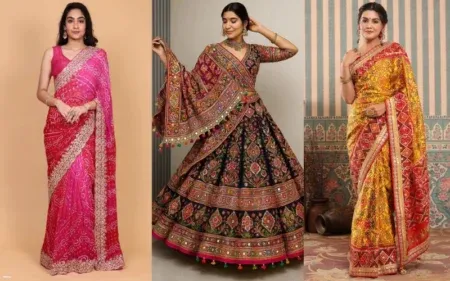





Festive shopping can be exciting, but buying new clothing for every celebration is not always necessary. At abestoutfit.com, readers can explore practical festive outfit ideas, wardrobe combinations, and styling choices that make better use of existing clothes. A thoughtful wardrobe does not mean avoiding fashion or wearing the same thing without variety. It simply means choosing clothing carefully and finding more ways to use each piece.
Many festive outfits are purchased for one occasion and then remain unused for months. Sometimes the problem is not the design but the way the clothing was selected. A very specific colour, difficult fit, or uncomfortable fabric may make an outfit harder to wear again. Choosing versatile pieces can help create more combinations across different celebrations.
Sustainable festive dressing can begin with small changes. Reusing a saree, choosing a comfortable kurta, repairing a loose button, or buying better-quality clothing can all make a difference. Nobody needs to change their entire shopping routine overnight. Practical decisions made regularly can gradually create a more useful wardrobe.
Look Inside Your Wardrobe
Before shopping for another festive outfit, check the clothes already available at home. Many people have kurtas, dresses, skirts, jackets, and dupattas that can be styled differently. Some pieces may only need basic cleaning or small alterations. A wardrobe review can reveal useful combinations that were previously overlooked.
Separate clothing according to its condition and how often it is worn. Keep garments that fit comfortably and suit different occasions. Items needing minor repairs can be placed together for attention. Clothes that no longer fit may be altered, exchanged, donated, or handled through suitable clothing reuse programmes.
Try combining pieces that are usually worn separately. A festive skirt may work with a plain blouse, while a simple dress can look different with an ethnic jacket. A traditional dupatta can add colour to basic clothing. These combinations help create variety without buying an entirely new outfit.
Choose Clothing That Lasts
Quality matters when buying festive clothing that should remain useful for several occasions. Strong stitching, suitable fabric, secure fastenings, and good finishing can improve garment durability. A beautiful design may not remain attractive when seams open after very little use. Customers should examine construction instead of judging clothing only by appearance.
Fabric choice should match the intended use of the outfit. Cotton and suitable blends can work for regular festive gatherings. Silk blends and heavier materials may suit formal occasions when properly maintained. Customers should read care instructions before buying garments that need special cleaning.
A versatile outfit is usually easier to reuse than something designed for one specific event. Neutral shades, classic silhouettes, and manageable decorative details can work across several celebrations. This does not mean avoiding bright colours or interesting designs. The aim is to choose pieces that can be styled in more than one way.
Repeat Outfits With Confidence
Wearing an outfit again is a practical choice and should not feel like a fashion problem. Many festive garments can look different when paired with another accessory or clothing piece. A saree can be styled with a new blouse, while a kurta can be worn with contrasting trousers. Small changes can create a fresh combination.
People sometimes avoid repeating outfits because they worry about photographs or comments. However, comfortable clothing that already fits well is often more useful than buying something new in a hurry. Different hairstyles, jewellery, footwear, and draping styles can change the overall appearance. There is no reason to treat every celebration as a shopping requirement.
A wardrobe can also be planned around a few versatile festive pieces. One embroidered jacket may work with several plain outfits. A decorative skirt can be paired with different tops. These combinations create more options without filling storage space with rarely used clothing.
Mix Traditional And Modern Pieces
Mixing traditional clothing with modern separates can create practical festive combinations. An ethnic jacket may work over a simple dress or plain trousers. A printed kurta can be paired with modern straight-leg bottoms. This approach allows existing clothing to serve more than one purpose.
Women can combine a traditional blouse with a simple skirt or pair an embroidered dupatta with a plain outfit. Men can style a classic kurta with different jackets and trousers. The combination should feel balanced and comfortable. Trying the complete outfit before the event helps identify fitting issues.
Modern clothing can also be refreshed through traditional accessories. A simple dress may look more festive with jhumkas or a colourful scarf. A plain shirt and trousers can become suitable for a relaxed celebration with a well-chosen ethnic jacket. These changes offer variety without requiring a completely separate festive wardrobe.
Understand Fabric Before Buying
Fabric affects how long clothing lasts and how comfortable it feels. Customers should check the material description instead of relying only on product photographs. Some fabrics require careful washing, while others are easier to maintain at home. Understanding these differences helps people choose clothing that suits their routine.
Cotton is often useful for comfortable daytime clothing. Silk and delicate blends may need more careful cleaning and storage. Synthetic fabrics can vary widely in quality, so customers should check how the garment feels when possible. No single fabric is suitable for every occasion.
Fabric weight also matters when selecting festive outfits. Heavy garments may be appropriate for formal celebrations but inconvenient during long activities. Lightweight clothing can be easier to reuse throughout warmer months. Customers should consider when and where the outfit will be worn before making a purchase.
Shop With A Real Budget
A clear shopping budget can prevent unnecessary purchases during festive seasons. Decide how much money is available before browsing new collections. Then identify which clothing items are genuinely missing. This approach helps separate useful purchases from items bought only because they look attractive.
Customers should compare the quality and expected use of similar garments. A slightly more expensive item may be worth considering when its construction and fabric are better. However, a high price does not automatically mean better quality. Check stitching, fit, material, and return conditions before paying.
Online shopping can encourage quick decisions because many designs appear together on one screen. Take time to read the product description and customer reviews. Avoid purchasing clothing only because a website shows limited stock or a short discount period. A thoughtful decision is more useful than a rushed purchase.
Support Responsible Clothing Brands
Some clothing brands share information about fabric sourcing, production methods, and garment care. Customers can look for clear product descriptions and honest details about materials. Transparent information makes it easier to understand what is being purchased. Vague claims should not be treated as proof of responsible production.
Small clothing businesses and local designers may offer useful alternatives to mass-produced festive outfits. Customers can examine their products and ask questions about fabric and construction. Supporting local businesses can also provide access to tailoring and alteration services. The quality should still be checked before purchasing.
People should avoid assuming that every expensive or handmade garment follows responsible practices. It is better to look for specific information rather than relying on marketing language. Customers can compare materials, production details, and durability. A practical choice is one that suits both personal needs and available information.
Repair Instead Of Replacing
Small clothing problems do not always mean an outfit should be discarded. Loose buttons, minor seam openings, broken hooks, and simple fitting issues can often be repaired. A local tailor may be able to make these changes quickly. Repairing clothing can extend its useful life.
Decorative clothing may need careful attention when embroidery or beads become loose. Customers should avoid pulling damaged threadwork because it may create a larger problem. A skilled tailor can assess whether the garment can be repaired safely. Proper care can prevent small issues from becoming serious damage.
Alterations can also make older outfits more comfortable. A garment that feels slightly loose may need a small fitting adjustment. Sleeves or hems can sometimes be changed to create a more useful style. It is worth checking alteration options before replacing the entire outfit.
Borrowing And Clothing Exchanges
Borrowing festive clothing can be useful when someone needs a special outfit for one occasion. Family members may already own garments that can be shared. This option can provide variety without purchasing another item. It also gives existing clothing another opportunity to be worn.
Clothing exchanges are another possible way to refresh a wardrobe. Friends or relatives can exchange garments that remain in good condition but are no longer used. Everyone should agree on the clothing condition and return arrangements beforehand. Clean garments should be exchanged responsibly.
Borrowing works best when the outfit fits properly and suits the event. Try the clothing early rather than waiting until the final day. Check whether any adjustments are needed and ask permission before making changes. Clear communication prevents misunderstandings and keeps the arrangement simple.
Accessories Create Fresh Looks
Accessories can make familiar clothing feel different without requiring another outfit. Earrings, bangles, necklaces, scarves, belts, and bags offer several styling possibilities. A plain kurta may look more festive with colourful jewellery. A simple dress can also work with an embroidered scarf.
Accessories should be chosen according to the outfit and occasion. Heavy jewellery may not be comfortable for a long daytime celebration. Simple accessories can work well when the clothing already contains decorative details. The aim is to create a balanced appearance rather than adding everything together.
Footwear can also change how an outfit feels. Traditional juttis may suit ethnic clothing, while clean flats can work with relaxed festive combinations. A comfortable pair that matches several outfits can be a useful wardrobe investment. Proper footwear care can also help it last longer.
Care For Festive Clothing
Good clothing care helps maintain fabric quality and appearance. Always check the washing instructions before cleaning a garment. Some outfits can be washed gently at home, while delicate pieces may need professional cleaning. Incorrect washing can cause fading, shrinking, or damage to decorative work.
Allow clothing to dry properly before storing it. Damp garments can develop unpleasant smells and may become damaged. Use suitable hangers for garments that need shape support. Heavy embroidered outfits may be better stored carefully folded according to fabric requirements.
Keep jewellery and decorative accessories separate from clothing when storing them. Sharp edges can catch delicate fabric and create damage. Clean accessories according to their material instructions. A little care after each celebration can reduce repair work before the next event.
Plan A Smaller Festive Wardrobe
A smaller festive wardrobe can still provide plenty of styling choices. Start with a few useful outfits that work for different events. Include clothing suitable for daytime celebrations, evening gatherings, and formal occasions. Accessories can provide additional variety without increasing the number of garments.
Choose colours that can work together across several combinations. Neutral bottoms may pair with bright kurtas, while simple tops can work with decorative skirts. A versatile jacket can also connect several outfits. Planning these combinations before shopping can prevent unnecessary duplicate purchases.
Storage should remain manageable and organized. Keep festive clothing in a place where it can be checked easily. Separate delicate items from everyday clothing when necessary. Knowing what is already available makes future shopping more focused.
Festive Fashion For Families
Families can make thoughtful clothing choices without purchasing matching new outfits every year. Similar colour themes can create coordinated photographs using clothes already owned. One person may wear a traditional kurta, while another chooses a simple dress in a related shade. Everyone can maintain their preferred style.
Children’s clothing should receive particular attention because children grow quickly. Buying expensive outfits for a single event may not always be practical. Comfortable garments that can be reused for family gatherings or other occasions may provide better value. Borrowing or exchanging suitable clothing can also be considered.
Parents should check fabric quality, fit, and easy movement before selecting children’s festive clothing. Decorative pieces should remain secure and comfortable. Footwear should be suitable for the child’s activities. Practical choices help children enjoy celebrations without constant clothing adjustments.
Avoid Unnecessary Fashion Pressure
Festive advertisements often create pressure to purchase new clothing for every event. Social media photographs can also make people feel that repeating an outfit is unusual. These expectations are not necessary for enjoying a celebration. Personal style should not depend on buying something new every time.
A well-maintained outfit can look attractive across several years. Styling choices can change with trends without replacing the main garment. People can experiment with accessories, hairstyles, and combinations using clothing they already own. This gives more freedom than following every seasonal collection.
The best wardrobe is one that supports everyday needs and special occasions. It should contain clothing that fits properly and feels comfortable. Customers should buy items because they are useful and enjoyable to wear. Avoid purchasing garments that are unlikely to leave the wardrobe after one event.
Conclusion
Sustainable festive fashion begins with practical decisions rather than complicated rules. Reusing outfits, choosing durable fabrics, repairing clothing, and selecting versatile pieces can create a more useful wardrobe. Accessories and thoughtful combinations provide fresh styling possibilities without requiring constant shopping. Comfort, fit, and personal preference should remain important throughout the process.
A thoughtful festive wardrobe can still be colourful, traditional, modern, and expressive. Start by checking existing clothes before planning your next purchase. Choose garments that suit several occasions and maintain them carefully after each celebration. Explore more festive outfit inspiration and practical wardrobe ideas before making your next clothing decision.
Read also :-